Profile
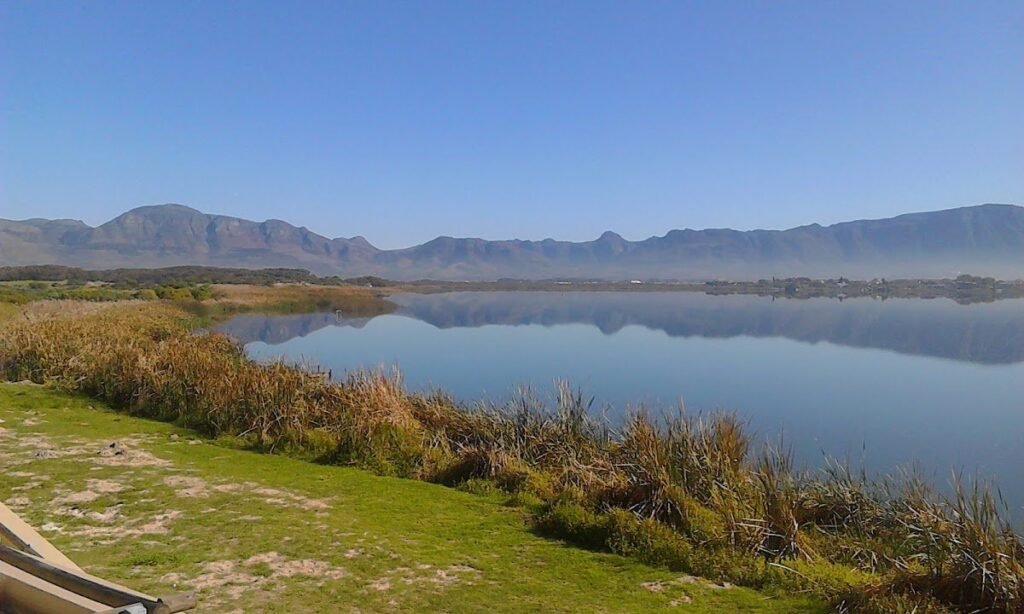
Nature reserves in Cape Town offer a sanctuary for indigenous flora and fauna, and the False Bay Nature Reserve Headquarters at WGG8+PJ, Grassy Park, Cape Town, Western Cape, serves as the administrative and visitor centre for this important urban conservation area. The reserve encompasses the Zeekoevlei wetland system, one of the largest freshwater bodies in the Cape Peninsula, providing a critical habitat for hundreds of bird species and hosting environmental education programmes for schools and community groups.
Overview of False Bay Nature Reserve
The False Bay Nature Reserve Headquarters manages a network of wetland and coastal habitats that form part of the broader False Bay Ecology Park. The reserve’s centrepiece is Zeekoevlei, a 256-hectare freshwater lake that attracts birdwatchers, anglers, and nature enthusiasts year-round. The headquarters building provides visitor information, educational resources, and serves as the base for the reserve’s conservation and community engagement activities. The facility coordinates guided nature walks, school environmental education programmes, and public events that highlight the ecological importance of the False Bay wetlands.
Wetland Habitats and Birdwatching Opportunities
False Bay Nature Reserve protects diverse wetland habitats that support over 200 recorded bird species, making the headquarters a key starting point for birdwatching excursions in the Western Cape. The Zeekoevlei wetland system attracts both resident and migratory waterbirds, with significant populations of South African shelduck, yellow-billed duck, red-knobbed coot, and various heron species. The reserve’s bird hides and observation points, accessible from trails that begin near the headquarters, offer year-round viewing opportunities. Summer months bring migratory waders and terns, while winter sees increased numbers of waterfowl. The headquarters staff can provide current bird sighting information and printed checklists for visitors planning birdwatching outings.
Environmental Education and School Programmes
The False Bay Nature Reserve Headquarters coordinates comprehensive environmental education initiatives aimed at Cape Town schools and youth organisations. The reserve’s education centre hosts structured learning programmes that align with the South African national curriculum, covering topics including wetland ecology, water quality, indigenous vegetation, and sustainable resource management. School groups can book guided educational walks, hands-on water testing activities, and interactive sessions in the education facilities at the headquarters. The reserve also runs holiday programmes and youth conservation clubs that introduce young people to career opportunities in environmental science and conservation management. Teachers and group leaders should contact the headquarters in advance to arrange bookings and discuss programme options suited to different age groups.
Recreation and Community Engagement
Beyond its conservation mandate, the False Bay Nature Reserve Headquarters facilitates recreational access to Zeekoevlei and surrounding open spaces for Cape Town residents. The reserve permits angling for bass and carp under a permit system administered from the headquarters, with regulations in place to protect water quality and fish populations. Walking and cycling trails link the headquarters to various points around the vlei, offering safe outdoor exercise routes for local communities. The reserve hosts regular community clean-up events, guided nature walks open to the public, and seasonal festivals celebrating wetland biodiversity. The headquarters serves as the registration and information point for these public programmes and maintains notice boards with current event schedules.
Indigenous Flora and Rehabilitation Projects
The headquarters oversees ongoing vegetation rehabilitation initiatives that aim to restore indigenous fynbos and wetland plant communities within the False Bay Nature Reserve boundaries. Alien invasive species clearing programmes operate throughout the year, with volunteer working groups coordinated from the headquarters facility. The reserve protects representative stands of Cape Flats Sand Fynbos, a critically endangered vegetation type found only in small fragments around Cape Town. Indigenous plant species recorded in the reserve include various Erica species, restios, bulbs, and wetland sedges adapted to seasonal flooding. The headquarters can provide information on the best times to observe flowering plants and details of the reserve’s restoration work for botanically interested visitors.
Practical Visitor Information
The False Bay Nature Reserve Headquarters is located at WGG8+PJ in Grassy Park, accessible via Zeekoevlei Road and well-signposted from surrounding suburbs including Lotus River and Pelican Park. Visitors can reach the headquarters by private vehicle, with parking available on site, or via public transport routes serving Grassy Park from central Cape Town. The facility can be contacted by telephone on 021 400 3438 for enquiries about opening times, programme bookings, and reserve regulations. The official reserve website at www.zeekoevlei.co.za provides additional information on current activities, conservation projects, and visitor guidelines. Those planning educational group visits or seeking to participate in volunteer conservation work should contact the headquarters in advance to arrange access and obtain necessary permits.
Conservation Challenges and Management
The False Bay Nature Reserve Headquarters coordinates management responses to urban conservation challenges including water pollution, alien invasive species, and human-wildlife conflict in this densely populated part of Cape Town. The Zeekoevlei system receives stormwater runoff from surrounding residential and industrial areas, requiring ongoing water quality monitoring and pollution mitigation efforts managed from the headquarters. Staff work with City of Cape Town departments, local communities, and environmental organisations to address illegal dumping, enforce reserve regulations, and promote responsible recreation. The headquarters serves as a focal point for reporting environmental incidents within the reserve and for public participation in conservation planning processes. Educational outreach coordinated from the facility aims to build local understanding of wetland ecosystem services and community stewardship of this valuable natural asset.
Research and Monitoring Activities
The headquarters supports scientific research and long-term ecological monitoring programmes that track the health of False Bay Nature Reserve ecosystems. University researchers, postgraduate students, and citizen science initiatives use the facility as a base for fieldwork investigating wetland ecology, bird population dynamics, water chemistry, and vegetation succession. The reserve participates in regional and national biodiversity monitoring schemes, contributing data on waterbird populations, threatened species occurrences, and habitat condition. The headquarters maintains records of bird sightings, rare plant observations, and environmental data that inform adaptive management of the reserve. Researchers interested in conducting studies within the reserve should contact the headquarters to discuss permit requirements and access arrangements.
Frequently Asked Questions
Q: What activities can visitors do at False Bay Nature Reserve?
A: Visitors can enjoy birdwatching, walking and cycling on designated trails, fishing with a permit, and participating in guided nature walks and environmental education programmes. The headquarters provides information on all recreational opportunities and issues the necessary fishing permits for Zeekoevlei.
Q: How do I book an environmental education programme for my school?
A: Contact the False Bay Nature Reserve Headquarters on 021 400 3438 to discuss programme options, available dates, and booking procedures. The education team can tailor activities to suit different age groups and curriculum requirements for Cape Town schools.
Q: Is there an entrance fee to visit the reserve?
A: Contact the headquarters on 021 400 3438 or check www.zeekoevlei.co.za for current information on entrance fees and reserve access policies. Certain educational and community programmes may have different fee structures.
Q: What bird species can I see at Zeekoevlei?
A: Over 200 bird species have been recorded at the reserve, including waterbirds such as South African shelduck, yellow-billed duck, various herons, and seasonal migrants including waders and terns. The headquarters can provide a current bird checklist and information on recent sightings.
Q: How can I volunteer for conservation work at the reserve?
A: Contact the headquarters to learn about volunteer opportunities including alien vegetation clearing, environmental monitoring, and community education programmes. The reserve welcomes community participation in conservation activities coordinated from the headquarters facility.
Q: Where is the headquarters located and how do I get there?
A: The headquarters is at WGG8+PJ, Grassy Park, Cape Town, accessible via Zeekoevlei Road with parking on site. Public transport routes serve Grassy Park from central Cape Town, or contact 021 400 3438 for detailed directions.
Q: Can I fish at Zeekoevlei?
A: Fishing is permitted under a permit system administered by the headquarters, with regulations in place to protect water quality and fish populations. Contact the headquarters to obtain a fishing permit and learn about current angling regulations for bass and carp.
Q: What are the opening hours of the reserve?
A: Contact the False Bay Nature Reserve Headquarters on 021 400 3438 or visit www.zeekoevlei.co.za for current opening times and visitor access arrangements, as hours may vary seasonally or for special events.
Find more information on nearby facilities in our Cape Town event venues directory and Western Cape event venue listings.